
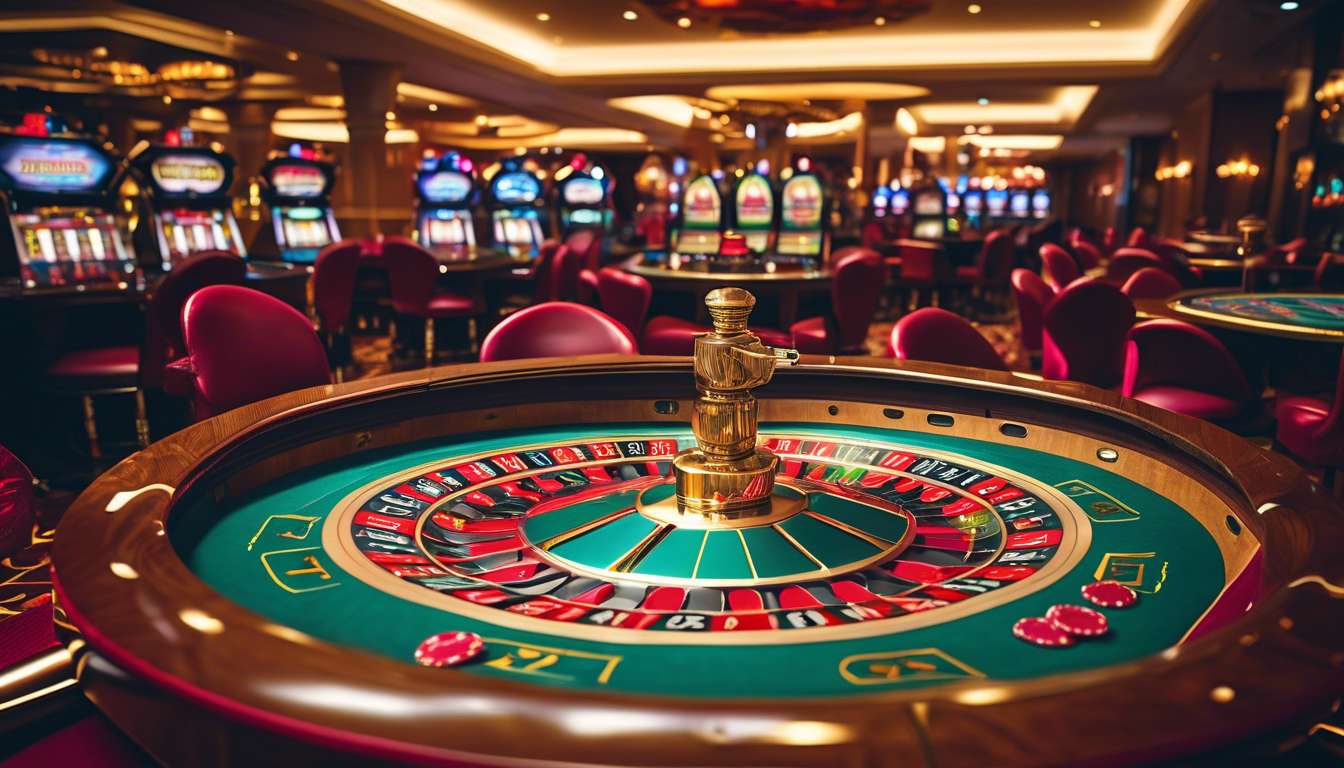
As we gather around the roulette table, a sense of anticipation fills the air, and we are reminded of the crucial role design plays in this timeless casino game.
The elegant layout, the smooth spin of the wheel, and the meticulous placement of each number all contribute to the thrilling experience we share. The design of a physical roulette table is not merely about aesthetics; it is about creating an environment that enhances the excitement and allure of the game.
From the felt surface that cradles our chips to the harmonious balance of colors and patterns, every element is crafted to heighten our senses and immerse us in the moment. As players, we are drawn to the tactile and visual elements that make roulette tables captivating.
In this exploration, we delve into how design influences our experience and the subtle ways in which it shapes our perception of chance and fortune.
Key design elements of a roulette table include:
- The layout of numbers and patterns
- The balance of colors
- The texture of the felt surface
- The smooth mechanics of the wheel
Each of these elements is thoughtfully designed to enhance the player’s experience and engagement with the game.
The Impact of Layout and Patterns
The Influence of Roulette Table Layouts
The layout and patterns of physical roulette tables significantly impact the player’s experience and the game’s overall atmosphere. They serve as the canvas upon which our collective excitement unfolds.
Immediate Impact on Perception
When we approach a roulette table, the layout immediately influences our perception:
- Guides us in choosing our bets
- Helps us visualize potential outcomes
It’s not merely about numbers and colors; it’s about the seamless flow that connects us to the game and to each other.
Tactile Connection
The texture of the table itself plays a vital role in this shared experience. As we run our hands across the felt, there’s a tactile reassurance in its smoothness. This creates a connection between us and the game.
Heightened Anticipation
This sensation, paired with the precision of the layout, heightens our anticipation with every spin. The meticulous design ensures we’re not just spectators but active participants in a timeless ritual.
Sense of Belonging
Together, these elements foster a sense of belonging, uniting us in the thrill of possibility.
Enhancing Experience with Color Balance
A well-balanced color scheme on roulette tables captivates our attention and elevates the gaming experience. When we step into a casino, the vibrant hues and carefully chosen tones create an inviting atmosphere that makes us feel like we belong. By thoughtfully integrating color into the layout, we enhance not only the aesthetic appeal but also the overall perception of the game.
Colors aren’t just about beauty; they play a crucial role in guiding our focus. For instance, the contrast between black and red numbers is more than a visual delight:
- It helps us quickly identify our choices.
- It adds to the excitement.
When these colors are harmoniously balanced with the table’s texture, the result is a seamless and engaging experience.
We find that a well-designed table, with its strategic use of color, becomes more than just a gaming surface. It transforms into a shared space where we, as players, feel connected, energizing our gameplay and fostering a sense of community.
Felt Surface: Texture Matters
The Texture and Experience of a Roulette Table
When we run our hands over the felt surface of a roulette table, we instantly appreciate how its texture enhances both the tactile and visual aspects of the game. This isn’t just about aesthetics; it’s about creating a sense of belonging for all of us who gather around this iconic centerpiece.
Functionality and Aesthetics
The layout isn’t merely functional—it’s a canvas where strategic bets and thrilling possibilities come alive. The texture of the felt is meticulously chosen, influencing our perception of the game. It’s smooth yet firm, providing just the right resistance for the effortless glide of chips, making each placement feel intentional and significant.
Tactile Connection
- As we engage with the table, the texture subtly guides our hands, reinforcing our connection with the game and each other.
- It’s a shared experience, building a community around the anticipation and excitement of each spin.
Multi-Sensory Engagement
Our perception of the game isn’t just visual or auditory; it’s tactile, drawing us deeper into the collective experience.
Wheel Mechanics: A Smooth Spin
Every spin of the roulette wheel captivates us with its seamless motion, achieved through precise engineering and meticulous craftsmanship.
The wheel’s layout is fundamental, ensuring each number and color is perfectly aligned to create a fair and balanced spin. We appreciate how the texture of the wheel, smooth and polished, plays a crucial role in maintaining the integrity of the game. The tactile experience enhances our perception of the wheel’s quality, making us feel part of a well-orchestrated symphony.
As we gather around the table, the wheel’s smooth spin unites us in anticipation, each of us feeling a sense of connection to the game and each other.
It’s the intricacies of its mechanics that create this shared experience, where balance and precision become the foundation of trust. We find comfort in knowing that behind every spin is a design that values:
- Fairness
- Community
This allows us to immerse ourselves in the thrill of the game together.
Crafting Immersive Environments
In crafting immersive environments, we focus on creating a space where players feel enveloped in the excitement and elegance of the game. Our goal is to transform the roulette experience from a mere activity into a shared journey that captivates the senses.
Attention to Layout:
- Each element is thoughtfully placed.
- Encourages social interaction.
- Fosters a sense of community.
Texture and Materials:
- The tables are smooth yet substantial, inviting tactile engagement.
- Careful selection of materials and finishes conveys luxury and sophistication.
- Enhances the player’s connection to the game.
Harmonious Design Elements:
- Lighting, color schemes, and spatial arrangements work together.
- Draws players in, making them feel part of something grand and vibrant.
We believe that a well-designed environment doesn’t just look good; it feels right, fostering an atmosphere where players can enjoy the thrill of roulette together.
Tactile and Visual Allure
Every aspect of our roulette tables is meticulously designed to captivate both the touch and the eye.
We believe that a sensory-rich environment enhances the sense of belonging among players. The layout of our tables is thoughtfully arranged to be inviting, ensuring that everyone feels part of the action.
Tactile Experience:
- By incorporating smooth, premium textures, we aim to engage players’ tactile senses, making each interaction memorable.
- When hands glide over the table, they feel the quality and care we’ve invested, reinforcing a sense of community and shared experience.
Visual Appeal:
- Visually, our tables are crafted to delight.
- We use colors and patterns that draw players in, creating a perception of elegance and excitement.
- The visual allure is not just about aesthetics—it’s about crafting an atmosphere where players feel connected, where the game becomes a shared journey.
Through these design elements, we foster a space where everyone feels they belong, enhancing both their experience and their perception of the game.
Influence on Perception of Chance
Design Elements and Player Perception
Our roulette tables are meticulously designed to shape players’ perception of chance, creating an environment where probability feels both tangible and engaging.
Layout and Arrangement
The layout plays a crucial role in connecting players to the game. The arrangement of numbers and colors is not solely about aesthetics; it taps into our natural inclination to seek patterns, which influences how players perceive their odds.
- The interplay of light and shadow across the table’s surface guides attention and evokes the thrill of possibility.
Texture and Tactile Experience
The texture of the table is equally important.
- A smooth, sleek surface enhances the tactile experience and adds an element of sophistication, making the randomness of the game feel more calculated.
- Running fingers over the table reminds players of the shared excitement and anticipation with each spin.
This tactile interaction reinforces a perception of chance that is both personal and communal, drawing players into the shared experience of the game.
Design Elements for Player Engagement
To captivate players, we focus on integrating dynamic lighting and sound effects that heighten the excitement and immersion of the game. Our aim is to create an atmosphere where every spin feels like a shared adventure, drawing players into a community of excitement.
We know that the right lighting can transform perceptions, making wins feel more exhilarating and near-misses more suspenseful.
The layout of the roulette table is crucial. It’s not just about aesthetics; it’s about creating a welcoming space where everyone feels they belong.
We carefully design each element, ensuring the table invites players to:
- Engage
- Bet
- Celebrate together
Texture also plays a vital role in player engagement. The feel of the chips, the smoothness of the wheel, and the tactile response of the betting surface all contribute to a sensory experience that keeps players coming back.
By focusing on these design elements, we create an environment where players feel an integral part of the action.
How do historical design influences impact modern physical roulette tables?
When we look at how historical design influences impact modern physical roulette tables, we see a rich tapestry of tradition and innovation woven together.
The intricate details and styles from the past continue to shape the look and feel of today’s tables, blending nostalgia with contemporary flair. These influences bring a sense of heritage and authenticity to the game, creating an immersive experience that resonates with players seeking a connection to the history of roulette.
Key elements of historical design influences include:
-
Materials: Traditional materials like wood and leather are often combined with modern materials such as metal and glass to create a sophisticated appearance.
-
Patterns and Motifs: Classic designs, such as ornate carvings and intricate inlays, are frequently integrated into modern tables to evoke a sense of elegance and craftsmanship.
-
Color Schemes: The use of rich, deep colors reminiscent of historical styles helps maintain a classic aesthetic while also appealing to contemporary tastes.
By infusing these historical elements into modern roulette tables, designers are able to honor the past while keeping the game fresh and engaging for today’s players.
What materials are commonly used in the construction of roulette tables besides felt and wood?
Roulette tables are frequently constructed using materials such as metal, plastic, and even stone. These elements provide both durability and aesthetic variety to the tables.
Benefits of these materials include:
- Enhancing the overall design
- Offering a sense of sophistication and luxury to the game environment
The combination of these materials creates a visually pleasing and functional roulette table that players can enjoy for hours on end.
How does the design of roulette tables differ across various cultures and regions?
In different cultures and regions, the design of roulette tables varies greatly. Unique styles, colors, and patterns reflect local traditions and preferences. These differences add a special touch to the game, making it more engaging for players from diverse backgrounds.
It’s fascinating to observe how each culture infuses its own flair into the design of roulette tables, creating a rich tapestry of experiences for players worldwide.
Key elements of cultural influence on roulette table design include:
- Styles: The overall aesthetic and structure can change, reflecting cultural preferences.
- Colors: Different hues and palettes are used to symbolize local identities or themes.
- Patterns: Intricate designs and motifs often represent cultural symbols or historical references.
These culturally infused designs not only enhance the visual appeal but also create a deeper connection to the game for players familiar with those cultural elements.
Conclusion
In conclusion, design plays a crucial role in enhancing the overall experience of physical roulette tables.
From layout and patterns to color balance and texture, every element contributes to creating an immersive and engaging environment for players.
The tactile and visual allure, coupled with the mechanics of the wheel, influence perception of chance and keep players engaged.
By carefully crafting design elements, physical roulette tables are able to:
- Captivate players
- Entertain players
- Make the game even more enjoyable
Overall, thoughtful design transforms the simple act of playing into a rich and engaging experience.